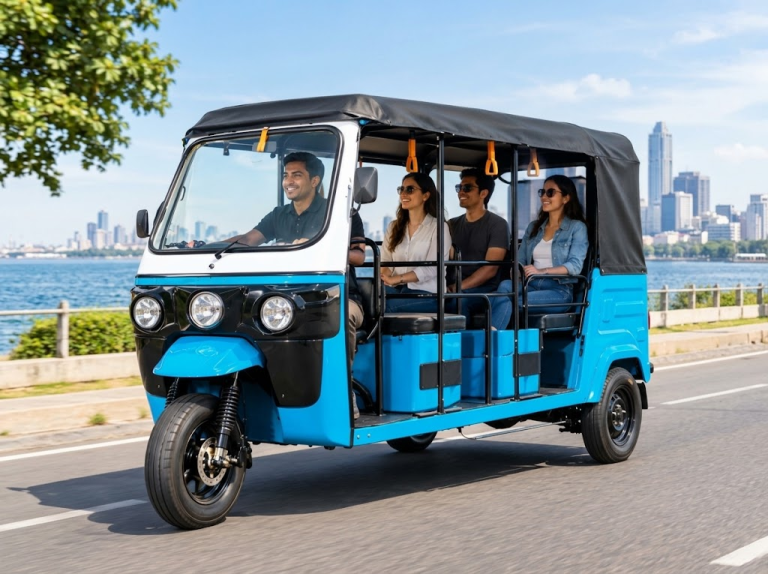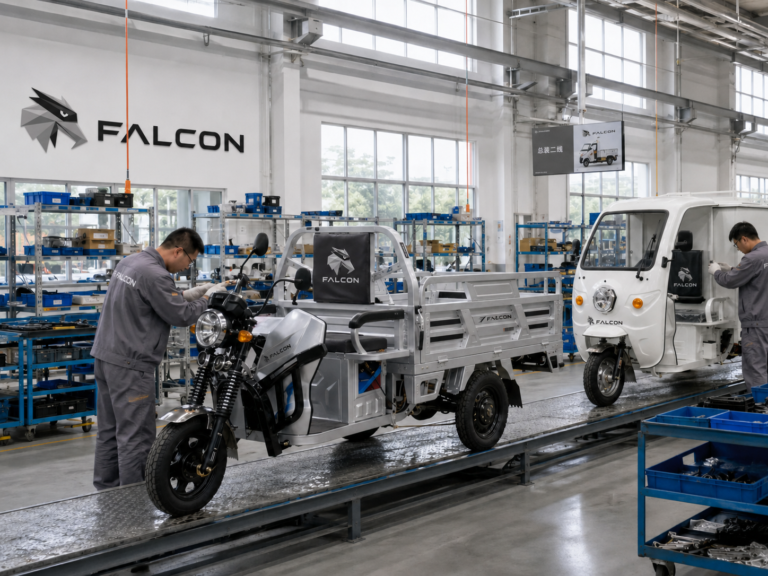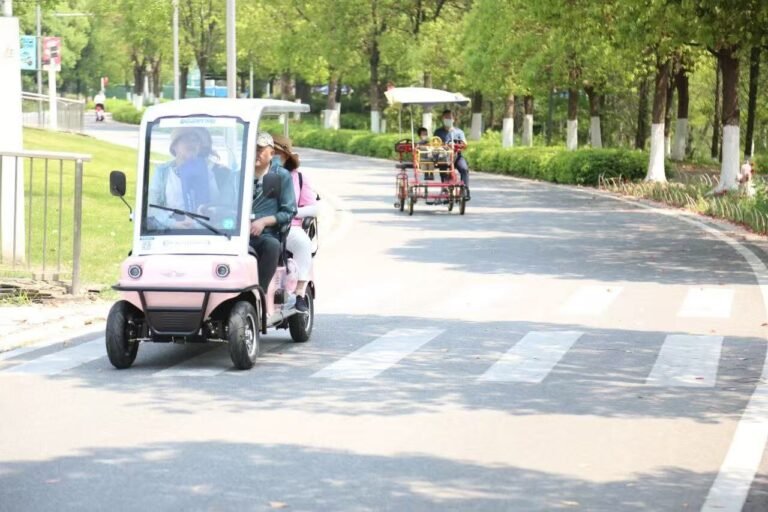
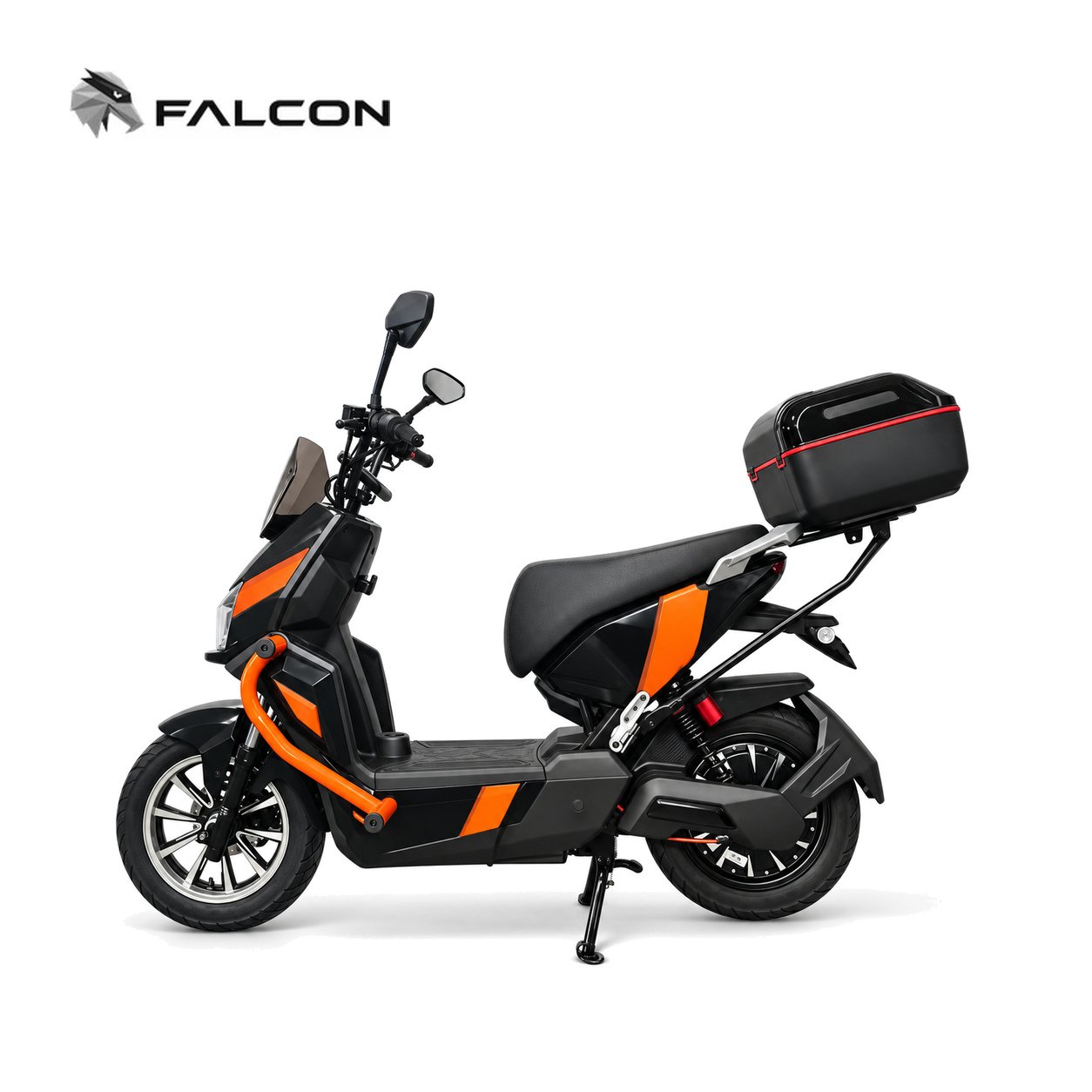
Micro-mobility has shifted from a personal trend into an essential transport category. As fuel prices rise and urban congestion escalates, searches for an electric cycle under 5000 have surged across search engines worldwide.
Whether you are evaluating entry-level e-bike conversion solutions within a tight budget of 5,000 units in local currency, or assessing heavy-duty multi-purpose commercial setups under $5,000, understanding the real-world applications of these vehicles is essential before making a purchasing or sourcing decision.
This guide explores the most effective applications of electric cycles, breaking down how businesses, commuters, and fleet operators maximize utility while keeping capital expenditure low.
1. Daily Urban Commuting: Beating Congestion with Micro-Mobility
The primary application for budget-friendly electric cycles is daily urban commuting. For riders traveling between 5 to 15 kilometers one way, an e-cycle serves as an agile alternative to congested public buses and expensive ride-hailing services.
- Effortless Pedaling: Hub-motor pedal assist (PAS) allows riders to arrive at their destinations without physical exhaustion or excessive sweating.
- Transit Integration: Lightweight single-speed or compact frame e-cycles easily navigate bike lanes, cut through traffic bottlenecks, and fit into tight parking spaces where conventional scooters cannot go.
- Low Running Costs: Charging an e-cycle battery uses negligible electricity per cycle, drastically reducing monthly transportation expenditures.
2. Last-Mile Logistics and Hyperlocal Deliveries
Commercial applications for budget electric cycles have expanded rapidly in the delivery sector. Food delivery aggregators, parcel couriers, and local grocers increasingly rely on cost-efficient e-cycles to handle last-mile logistics.
Key Delivery Advantages:
- Payload Flexibility: With reinforced rear racks or front baskets, utility e-cycles easily carry delivery bags weighing 15–30 kg.
- Fast Turnaround: Couriers bypass bumper-to-bumper car traffic, park directly in front of storefronts, and achieve faster point-to-point delivery times in dense commercial districts.
- High ROI for Fleet Operators: Operating a fleet of entry-tier electric cycles reduces insurance, maintenance, and licensing costs compared to traditional gasoline motorcycles or heavy cargo three-wheelers.
3. Industrial Campuses, Warehouses, and Facility Logistics
Large-scale facilities—such as manufacturing plants, airport terminals, sprawling distribution hubs, and university campuses—require low-speed, emission-free transport for staff mobility.
In these enclosed or semi-enclosed environments, conventional fuel engines are prohibited due to indoor air quality regulations:
- Security Patrols: Electric cycles provide an alert, high-visibility platform for campus security teams covering wide perimeters.
- Internal Material Dispatch: Equipped with rugged front crates, e-cycles transport tools, maintenance supplies, and urgent warehouse parts between separate production bays without generating noise or exhaust fumes.
4. The “Under 5000” Reality: Full Bike vs. Conversion Kit
When evaluating an electric cycle under 5000, buyers often encounter two distinct market realities depending on the currency and specification scale:
| Category | Typical Price Range | What You Get | Best Suited For |
| DIY Hub Conversion Kit | Budget-Tier (~₹4,000 – ₹5,000) | 250W front/rear hub motor, motor controller, throttle, wiring harness | Retrofitting existing standard bicycles for low-cost personal travel. |
| Turnkey Factory E-Cycle | Mid-Tier ($300 – $800 / ₹20,000 – ₹35,000) | Complete structural frame, certified lithium battery, mechanical disc brakes, integrated controller | Reliable daily fleet leasing, food delivery, continuous commercial operations. |
| Heavy-Duty Commercial E-Cargo | Enterprise / Premium (Under $5,000) | Long-range dual batteries, heavy load ratings, hydraulic brakes, robust cargo chassis | Multi-drop parcel couriers, cold-chain transport, municipal utility fleets. |
For budget-conscious buyers, retrofitting an existing fleet using a high-efficiency 24V or 36V hub-drive system remains one of the most accessible routes to micro-mobility electrification.
5. Fitness, Leisure, and Multi-Terrain Exploration
Beyond utilitarian and commercial purposes, electric cycles fill a vital niche in recreation and accessible wellness:
- Active Recovery: Cyclists recovering from joint strain or seeking controlled cardiovascular exercise can adjust assistance levels to stay active without overexertion.
- Trail and Rural Utility: Sturdier frames equipped with wider tires allow riders in peri-urban and rural areas to navigate unpaved roads and dirt paths where public transit infrastructure is sparse.
Technical Considerations Before Sourcing an Electric Cycle
To get the most out of an electric cycle in demanding applications, always evaluate core mechanical and electrical specifications:
- Motor Architecture: A 250W to 350W brushless DC (BLDC) hub motor provides optimal efficiency and zero maintenance for flat city terrain.
- Battery Chemistry: Lithium-ion (Li-ion) packs offer superior cycle life and fast recharge times, while sealed lead-acid options offer lower initial acquisition costs for fixed-route applications.
- Frame Construction: High-tensile steel or 6061 aluminum alloy ensures structural integrity when carrying commercial payload or negotiating rough pavement.
- Braking Safety: Front and rear disc brakes provide consistent stopping power in wet weather and steep descents compared to standard rim brakes.
Conclusion: Maximizing the Value of an Electric Cycle
An electric cycle under 5000 demonstrates that electrification does not require exorbitant capital. From speeding up short-distance urban deliveries to lowering daily commute expenses and streamlining warehouse facility transport, the right e-cycle setup delivers dependable, sustainable mobility.
For business owners and fleet managers, matching the specific application—whether simple personal transport or demanding commercial delivery—ensures the highest return on every kilometer traveled.